How Should Parents Discuss online game Safety?
Online gaming has become a normal part of life for many children and teenagers. Games can provide entertainment, creativity, teamwork, and opportunities to build useful digital skills. However, online spaces can also expose young players to inappropriate content, strangers, scams, privacy risks, excessive spending, and unhealthy gaming habits. Parents can help by having regular, calm conversations about safety rather than simply banning games.
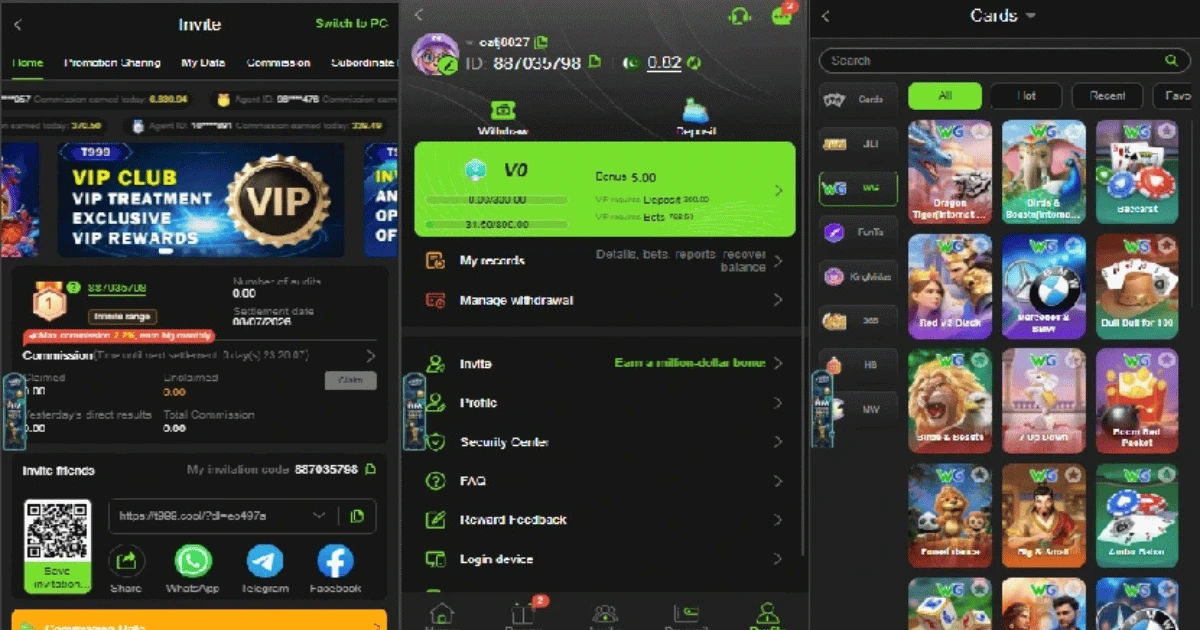
If a child comes across something such as T999 Game APK, for example, parents should use the opportunity to discuss whether the source is trustworthy, what permissions an app requests, and why downloading unknown files can be risky.
The goal of an online safety conversation is not to make children afraid of technology. Instead, parents should teach them how to recognize risks, make responsible decisions, and ask for help when something feels wrong. A child who understands online safety is better prepared to handle unexpected situations independently.
Why Online Game Safety Matters
Online games are different from traditional offline games because they may connect children with large communities of players. A child may communicate with friends, teammates, or complete strangers through text chat, voice chat, or messaging systems.
This communication can be positive, but it also creates risks. Someone online may pretend to be another child, ask personal questions, pressure a player to move a conversation to another platform, or attempt to obtain private information.
Parents should explain these possibilities without assuming that every online player is dangerous. A balanced approach helps children understand that most interactions may be ordinary while some situations require caution.
Another concern is downloading games or modifications from unofficial websites. A child searching for a particular game may encounter files that contain malware, misleading advertisements, or unwanted software. Even when an APK appears to offer a popular game, children should understand that an unfamiliar download can create security and privacy problems.
Start the Conversation Early
Parents do not need to wait for a serious problem before discussing gaming safety. A short conversation before a child begins using online games can establish good habits.
Ask open questions such as, “Who do you usually play with?” or “What would you do if another player asked for your phone number?” These questions encourage children to think rather than simply memorize rules.
If a child mentions an unfamiliar game or download, parents can discuss it without immediately becoming angry. For instance, if the child asks about T999 Game APK, instead of simply saying “No,” a parent can ask where the file came from, whether the website is official, and whether the child knows what permissions the application requires.
This approach turns everyday gaming decisions into learning opportunities.
Teach Children to Protect Personal Information
One of the most important online safety lessons is understanding what information should remain private.
Children should avoid sharing details such as their full name, home address, school location, phone number, passwords, financial information, or precise daily routine with strangers.
Even information that seems harmless can sometimes be combined with other details to identify or target someone.
Parents can explain that a username does not need to reveal a child's real identity. A gaming profile can use a nickname that does not include a full name, birth year, school, or location.
When discussing a game such as T999 Game APK, parents can also remind children that an application should not automatically receive access to information that it does not need. Reviewing app permissions together can help children understand digital privacy.
Explain the Risks of Talking to Strangers
Online games often encourage communication between players. Children should learn that a person they meet through a game is still an online stranger unless the relationship exists outside the digital environment and is known to their family.
Parents should explain warning signs.
A player may ask unusually personal questions, request photographs, offer gifts, demand secrecy, or encourage the child to communicate privately on another platform. These behaviors deserve attention.
Children should know that they can leave a conversation, block an account, and report inappropriate behavior.
Most importantly, they should never feel that they will be punished simply because they received an uncomfortable message. Fear of punishment can cause children to hide problems from their parents.
Discuss Safe Downloads
Downloading games from unofficial sources is another important topic. APK files can be legitimate when obtained from trustworthy sources, but downloading applications from unknown websites can increase the risk of malicious software.
A child may see a website advertising a free version of T999 Game APK with additional features, unlimited resources, or special rewards. Such claims should encourage caution rather than excitement.
Parents can teach children to check the original developer, official distribution channels, reviews, requested permissions, and the reputation of the website.
They should also explain that security warnings should never be ignored simply because a file promises something attractive.
Children should understand that “free” does not always mean safe.
Set Clear Rules for In-Game Communication
Families can establish simple communication rules.
For example, children may be allowed to use voice chat with known friends but keep personal information private. They can also be taught never to send photographs or agree to meet an online acquaintance without involving a trusted adult.
Parents should explain that secrecy is a major warning sign. If another player says, “Don't tell your parents,” the child should understand that this is a reason to tell a trusted adult immediately.
When discussing T999 Game APK or any other online game, parents should focus on general communication principles rather than treating one particular game as the only possible source of risk.
Teach Children About In-Game Purchases
Many online games include purchases. Children may accidentally spend money or feel pressured to buy virtual items.
Parents should explain the difference between virtual and real money. A digital item may appear inexpensive, but repeated purchases can become expensive.
Families can agree on rules about spending. Parents may require permission before any purchase, disable saved payment methods on a child's device, or establish a monthly entertainment budget.
If a game such as T999 Game APK requests payment information through an unfamiliar website, children should know not to enter financial details without asking an adult.
This is an important lesson because scams often use attractive rewards to encourage quick decisions.
Teach Children to Recognize Scams
Online gaming scams can appear in many forms. Players may receive messages promising free rewards, special accounts, rare items, or exclusive access.
A scammer may ask for a password or request that the player download an unknown application.
Parents should teach children to stop and question unexpected offers.
A useful rule is simple: If an offer seems unusually good, stop before clicking.
Children should never share passwords to receive a reward. They should also avoid clicking suspicious links sent by strangers.
A website promising a modified T999 Game APK with unrealistic bonuses, for example, should be treated carefully rather than trusted automatically.
Encourage Strong Passwords
Gaming accounts can contain personal information, purchase histories, and valuable digital items. A compromised account can therefore create more than a temporary inconvenience.
Parents should encourage children to use strong, unique passwords. A password should not be based on easily guessed information such as a name, birthday, school, or favorite game.
Where available, two-factor authentication should be enabled.
Children should also understand that friends should not need access to their passwords. Sharing credentials can result in account theft or unauthorized activity.
Talk About Cyberbullying
Cyberbullying can occur through gaming chats, voice communication, private messages, and gaming communities.
A child may be insulted, excluded, threatened, or repeatedly targeted by other players.
Parents should make it clear that bullying is not simply “part of gaming.” Children have the right to leave abusive conversations and report inappropriate behavior.
If a child experiences cyberbullying, parents should remain calm. They can help save relevant evidence, block the person, report the account, and determine whether additional action is necessary.
Parents should also remind children not to retaliate. Responding with threats or insults can make a difficult situation worse.
Set Healthy Gaming Limits
Online safety is not limited to strangers and suspicious downloads. Healthy gaming habits are equally important.
Long gaming sessions can interfere with sleep, schoolwork, physical activity, family responsibilities, and social relationships.
Parents should establish reasonable gaming schedules based on the child's age and circumstances.
Instead of focusing only on the number of hours, parents can consider whether gaming is affecting everyday responsibilities. A child who completes schoolwork, sleeps properly, participates in physical activity, and maintains healthy relationships may have a different situation from a child whose gaming consistently disrupts these areas.
Rules should be clear and consistent.
Respect Age Ratings and Content Warnings
Games can contain violence, mature themes, strong language, gambling-like mechanics, or other content that may not be suitable for younger players.
Parents should check age ratings and content descriptions before allowing children to play.
They should also remember that a game's community can introduce content that is not reflected in the basic game rating. Voice chat and user-generated content can expose children to unexpected material.
When evaluating T999 Game APK, parents should consider not only the game's advertised features but also the source, age suitability, community features, and privacy implications.
Review Privacy Settings Together
Privacy settings can determine who can contact a child, view their profile, join their games, or send them messages.
Parents should review these settings with children rather than changing everything secretly.
This creates an opportunity to teach practical digital skills.
Show children how to limit friend requests, restrict communication, hide unnecessary profile information, and block unwanted users.
The same process can be applied to T999 Game APK or any other gaming application that includes accounts, profiles, chats, or online communities.
Teach Children What to Do When Something Goes Wrong
Even well-prepared children may eventually encounter a problem.
They should know what to do if they click a suspicious link, download an unknown file, reveal private information, receive an inappropriate message, or accidentally make a purchase.
The first step should be to stop interacting with the suspicious person or service.
Next, the child should tell a trusted adult.
Parents can then change passwords, remove suspicious applications, review account activity, scan the device when appropriate, and report the incident through the relevant platform.
If a child tells you that something went wrong while using T999 Game APK, focus first on solving the problem rather than blaming the child.
Create a Family Gaming Agreement
A written family agreement can make expectations easier to understand.
The agreement can include rules about:
-
Appropriate gaming times
-
Acceptable games and age ratings
-
Personal information
-
Voice and text chat
-
Downloads and installations
-
In-game purchases
-
Password protection
-
Reporting and blocking
-
School and household responsibilities
-
What children should do if something feels unsafe
Parents should review the agreement occasionally because games, devices, and online communities change.
Keep Communication Open
The strongest safety strategy is a relationship in which children feel comfortable asking questions.
Parents should avoid turning every gaming conversation into criticism.
If every discussion becomes an argument about screen time, a child may stop sharing important information.
Instead, parents can occasionally ask children to demonstrate a game, explain its features, or describe who they play with. This allows parents to understand the child's digital environment while showing genuine interest.
For example, when a child mentions T999 Game APK, a parent can ask neutral questions about where they encountered it and what they know about the application.
This can be more effective than issuing a quick command without explanation.
Lead by Example
Children learn online behavior partly by observing adults.
Parents should demonstrate good digital habits themselves.
This includes using strong passwords, checking links before opening them, avoiding suspicious downloads, protecting personal information, and questioning unrealistic online offers.
If parents explain why they are careful when installing an application, children are more likely to understand the reasoning behind the rule.
The lesson should be that online safety is a normal part of using technology.
Avoid Fear-Based Parenting
Fear can sometimes produce immediate obedience, but it does not necessarily build long-term judgment.
Parents should avoid telling children that every online player is dangerous or that every downloadable game is malicious.
Instead, teach children how to identify specific warning signs.
A suspicious website, excessive permissions, requests for passwords, pressure to send personal information, demands for secrecy, and unrealistic rewards are all reasons to stop and ask for help.
This approach gives children practical skills they can apply to new situations.
What Parents Should Check Regularly
A periodic review can help families stay ahead of new risks.
Parents can check whether:
-
The child's games are age appropriate.
-
Privacy settings remain suitable.
-
Unknown contacts have been added.
-
Payment methods are protected.
-
Account passwords remain secure.
-
Two-factor authentication is enabled where available.
-
The device has current security updates.
-
Unfamiliar applications have appeared.
-
Gaming is interfering with sleep or responsibilities.
-
The child knows how to report inappropriate behavior.
These checks do not need to become an invasion of privacy. The goal is to provide reasonable supervision while gradually teaching children to manage their own digital safety.
Conclusion
Parents should discuss online game safety as an ongoing conversation rather than a single warning. Children need practical guidance about privacy, strangers, cyberbullying, scams, downloads, purchases, passwords, age-appropriate content, and healthy gaming habits.
The most effective approach combines clear boundaries with trust. Parents should explain the reasons behind safety rules and give children opportunities to ask questions.
If a child encounters something unfamiliar such as T999 Game APK, the situation can become a useful lesson about checking sources, protecting personal information, reviewing permissions, and avoiding suspicious downloads.
Parents should also remember that technology changes quickly. A safety rule that works for one game may not cover another game, device, or online community. Regular conversations help children develop judgment that can transfer across different platforms.
Ultimately, the purpose of online game safety is not to prevent children from enjoying technology. Gaming can be a positive form of entertainment and social interaction when used responsibly. By teaching children how to recognize risks, make thoughtful choices, and seek help when necessary, parents can help them become safer and more confident digital citizens.
