How Does A Vertical Packaging Machine Operate?
A Packaging Machine plays a crucial role in modern manufacturing, especially when it comes to speed, accuracy, and product safety. A Packaging Machine is widely used in industries such as food, pharmaceuticals, agriculture, and chemicals. Among different types, the vertical system is one of the most efficient designs.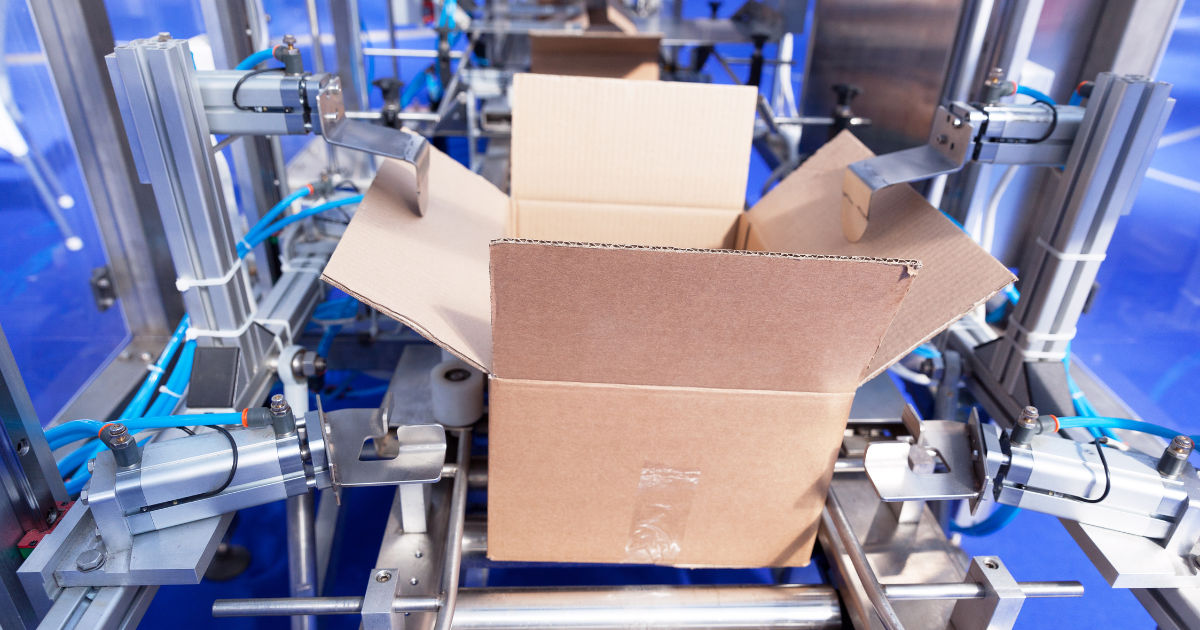
A Packaging Machine designed in a vertical format helps automate filling, sealing, and cutting processes in a continuous flow.In today’s production lines, a Packaging Machine is not just an option but a necessity. It improves productivity, reduces labor costs, and ensures consistent packaging quality.
This article explains in detail how a vertical system works, its components, benefits, and applications in real-world industries. By the end, you will clearly understand how a Packaging Machine operates from start to finish.
What Is a Vertical Packaging Machine?
A vertical system is a type of Packaging Machine that forms, fills, and seals products in a vertical direction. Unlike horizontal systems, a vertical Packaging Machine uses gravity to assist in filling materials such as powders, liquids, grains, and small solids.
This type of Packaging Machine is commonly known as VFFS (Vertical Form Fill Seal). It is widely preferred because it is compact, fast, and suitable for bulk production. A Packaging Machine of this type can handle different packaging materials like plastic film, laminated rolls, and biodegradable packaging sheets.
Core Components of a Vertical Packaging System
A modern vertical Packaging Machine consists of several essential components that work together in synchronization.
Film Roll Holder
The film roll holder is where packaging material is placed. A Packaging Machine uses this film to create bags continuously.
Forming Tube
The forming tube shapes the flat film into a cylindrical bag. Every Packaging Machine relies on this component for proper bag formation.
Sealing Jaws
Sealing jaws are responsible for closing the package. A Packaging Machine uses heat or pressure to seal bags tightly.
Filling System
The filling system ensures accurate product measurement. A Packaging Machine may use volumetric cups, augers, or weighers depending on the product type.
Control Panel (PLC)
The PLC system controls the entire process. A Packaging Machine depends heavily on automation software for precision and efficiency.
How a Vertical Packaging Machine Operates Step-by-Step
The working process of a vertical system is simple but highly precise. A Packaging Machine follows a continuous cycle.
Step 1: Film Feeding
The process begins when packaging film is pulled from the roll. A Packaging Machine feeds the film downward using motorized rollers.
Step 2: Film Shaping
The flat film passes through the forming tube. Here, the Packaging Machine shapes it into a cylindrical structure.
Step 3: Vertical Sealing
The back of the film is sealed vertically. A Packaging Machine applies heat to create a strong seam.
Step 4: Product Filling
Once the tube is formed, the product is dropped inside. A Packaging Machine ensures accurate filling using sensors and measurement tools.
Step 5: Horizontal Sealing
The top and bottom seals are created to close the bag. A Packaging Machine ensures airtight sealing for product safety.
Step 6: Cutting Process
Finally, the sealed bag is cut and released. A Packaging Machine repeats this cycle continuously for mass production.
Film Feeding System Explained
The film feeding system is one of the most important parts of a Packaging Machine. It ensures smooth movement of packaging material without wrinkles or misalignment.
A Packaging Machine uses tension control systems to regulate film speed. This prevents tearing and ensures consistency. Modern designs include sensors that automatically adjust film tension.
Without proper feeding, a Packaging Machine cannot maintain accuracy or speed.
Filling Mechanism in Vertical Systems
The filling mechanism determines how accurately a Packaging Machine dispenses products.
Auger Filling System
Used for powders like flour or spices, this system allows a Packaging Machine to measure exact quantities.
Volumetric Cup System
This system is suitable for grains and small solids. A Packaging Machine uses cups of fixed volume for consistency.
Weighing System
Advanced models use digital scales. A Packaging Machine ensures high accuracy in weight-based packaging.
Each filling method improves the flexibility of a Packaging Machine in different industries.
Sealing Technology in Packaging Machines
Sealing is a critical stage in any Packaging Machine process. It ensures product safety and shelf life.
A Packaging Machine uses heat sealing technology to bond plastic layers. Temperature, pressure, and time are carefully controlled.
Some advanced systems use ultrasonic sealing. A Packaging Machine with ultrasonic technology provides stronger and cleaner seals.
Proper sealing ensures that a Packaging Machine delivers high-quality packaging results every time.
Cutting System and Output Process
The cutting system separates individual packages. A Packaging Machine uses sharp blades or thermal cutters.
After sealing, the Packaging Machine cuts the film at precise intervals. This ensures uniform package sizes.
Modern systems allow programmable cutting lengths. A Packaging Machine can easily adjust to different product requirements.
Automation and Control Systems
Automation is the brain of a Packaging Machine. The PLC (Programmable Logic Controller) manages every step.
A Packaging Machine uses sensors to detect film position, product level, and sealing quality.
Touchscreen interfaces allow operators to control the Packaging Machine easily. Settings like speed, temperature, and filling volume can be adjusted in real-time.
Automation reduces human error and increases efficiency in a Packaging Machine system.
Sensors and Safety Features
Safety is a major concern in industrial equipment. A Packaging Machine includes multiple safety systems.
Photoelectric Sensors
These detect product presence and film alignment. A Packaging Machine uses them for precision control.
Temperature Sensors
They ensure sealing temperature remains stable. A Packaging Machine avoids overheating or weak sealing.
Emergency Stop System
In case of malfunction, the Packaging Machine can be shut down immediately.
These features make a Packaging Machine safe and reliable for operators.
Types of Vertical Packaging Machines
Different industries require different designs of a Packaging Machine.
Standard VFFS Machine
This is the most common type. A Packaging Machine handles general packaging tasks.
Multi-Head Weigher Machine
Used for snacks and candies, this Packaging Machine ensures fast and accurate filling.
Auger Filler Machine
Ideal for powders, this Packaging Machine provides precise measurement.
Liquid Packaging Machine
Designed for liquids, this Packaging Machine uses pumps for filling bottles or pouches.
Each type of Packaging Machine serves a specific industrial need.
Applications of Vertical Packaging Machines
A Packaging Machine is widely used across multiple industries.
Food Industry
A Packaging Machine is used for snacks, rice, flour, sugar, and frozen foods.
Pharmaceutical Industry
Medicines and powders are safely packed using a Packaging Machine.
Agricultural Sector
Seeds and fertilizers are efficiently packed using a Packaging Machine.
Chemical Industry
Powders and granular chemicals rely on a Packaging Machine for safe handling.
Advantages of Vertical Packaging Machines
A Packaging Machine offers several benefits that improve industrial performance.
High Speed
A Packaging Machine can produce hundreds of packages per minute.
Cost Efficiency
Labor costs are reduced significantly with a Packaging Machine.
Accuracy
Each Packaging Machine ensures precise filling and sealing.
Flexibility
A Packaging Machine can handle different product types easily.
Hygiene
A Packaging Machine minimizes human contact with products.
Maintenance and Troubleshooting
Proper maintenance ensures long life of a Packaging Machine.
Regular cleaning prevents dust buildup in a Packaging Machine. Lubrication of moving parts improves efficiency.
Common issues like sealing failure or film misalignment can occur in a Packaging Machine. These are usually fixed by adjusting temperature or tension settings.
Routine inspection keeps a Packaging Machine running smoothly.
Future of Vertical Packaging Technology
The future of the Packaging Machine industry is driven by automation and AI.
Smart sensors and machine learning will improve the performance of every Packaging Machine. Eco-friendly materials are also being integrated into modern Packaging Machine designs.
Robotics will further increase speed and precision in a Packaging Machine system.
Sustainability and energy efficiency will define the next generation of Packaging Machine technology.
Conclusion
A vertical system is one of the most efficient solutions in modern production lines. A Packaging Machine improves speed, accuracy, and reliability across multiple industries. From feeding film to sealing and cutting, every stage of a Packaging Machine is designed for precision.
Understanding how a Packaging Machine operates helps businesses choose the right system for their needs. Whether in food, pharmaceuticals, or chemicals, a Packaging Machine plays a vital role in ensuring product safety and efficiency.
As technology continues to evolve, the Packaging Machine will become even more intelligent and sustainable, shaping the future of automated packaging systems.
