how messaging works in whatsapp automation tool?
The term whatsapp automation tool has become increasingly popular as businesses and individuals look for smarter ways to communicate. A whatsapp automation tool allows users to send, receive, and manage messages automatically without constant manual effort.
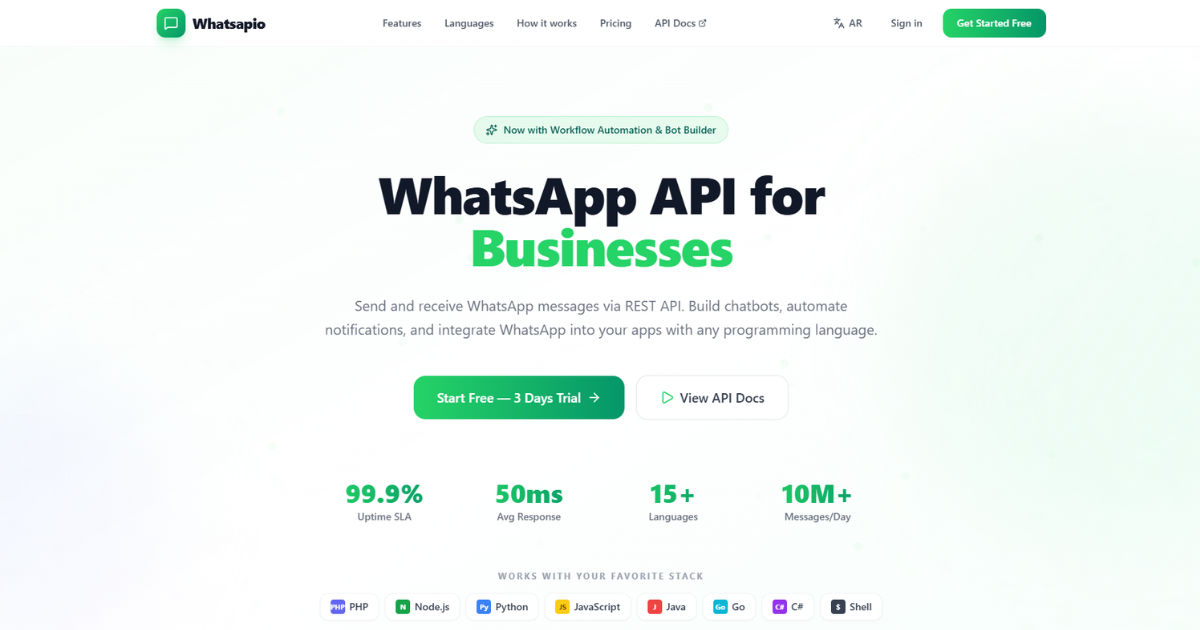 Whether it’s customer support, marketing, or notifications, a whatsapp automation tool plays a vital role in modern communication.
In this guide, we will explore in detail how messaging works inside a whatsapp automation tool, how messages are triggered, processed, and delivered, and why this technology is becoming essential for businesses of all sizes.
Understanding WhatsApp Automation
A whatsapp automation tool is software designed to automate messaging tasks on WhatsApp. Instead of typing and sending each message manually, the tool uses predefined rules, triggers, and workflows.
For example, if a customer sends a message asking for pricing, a whatsapp automation tool can instantly reply with the relevant information. This saves time and ensures quick responses.
Automation tools are commonly used for:
- Customer support
- Order confirmations
- Appointment reminders
- Marketing campaigns
The main goal of a whatsapp automation tool is to improve efficiency and provide a better user experience.
How Messaging Flow Works
To understand how a whatsapp automation tool works, it’s important to look at the messaging flow. This flow includes several steps that happen behind the scenes.
User Initiates Message
The process usually starts when a user sends a message. This message is received by the system connected to the whatsapp automation tool.
Trigger Detection
Once the message is received, the whatsapp automation tool checks for triggers. Triggers are keywords or actions that tell the system what to do next.
For example:
- If the message contains “price,” the system sends pricing details
- If the message says “help,” the system sends support options
Response Generation
After detecting the trigger, the whatsapp automation tool selects the appropriate response. This response can be:
- Pre-written text
- Dynamic content
- Personalized message
Message Delivery
Finally, the message is sent back to the user instantly. This entire process happens within seconds using the whatsapp automation tool.
Types of Messages in Automation
A whatsapp automation tool handles different types of messages depending on the purpose.
Transactional Messages
These are messages related to user actions, such as:
- Order confirmations
- Payment receipts
- Delivery updates
A whatsapp automation tool ensures these messages are sent instantly after an action.
Promotional Messages
Businesses use a whatsapp automation tool to send offers, discounts, and updates. These messages are often scheduled and targeted.
Conversational Messages
These messages simulate real conversations. A whatsapp automation tool uses chatbots to respond naturally to user queries.
Role of Chatbots in Messaging
Chatbots are a key component of any whatsapp automation tool. They are programmed to understand user input and respond accordingly.
Simple Chatbots
These bots follow fixed rules. A whatsapp automation tool uses them for basic tasks like answering FAQs.
AI-Based Chatbots
Advanced tools use artificial intelligence. An AI-powered whatsapp automation tool can understand context and provide smarter replies.
Chatbots make the whatsapp automation tool more interactive and efficient.
Message Personalization
One of the biggest advantages of a whatsapp automation tool is personalization. Instead of sending generic messages, the tool can customize content for each user.
Examples of personalization:
- Using the user’s name
- Sending location-based offers
- Recommending products
A whatsapp automation tool uses data to create a more engaging experience.
Scheduling and Timing
Timing is crucial in messaging. A whatsapp automation tool allows users to schedule messages in advance.
For example:
- Sending reminders before appointments
- Delivering marketing messages at peak hours
With a whatsapp automation tool, businesses can reach users at the right time without manual effort.
Integration with Other Systems
A whatsapp automation tool often connects with other platforms like CRM systems, websites, and databases.
This integration allows:
- Automatic data updates
- Better customer tracking
- Seamless communication
For example, when a customer places an order, the whatsapp automation tool can automatically send confirmation and updates.
Workflow Automation
Workflows are the backbone of a whatsapp automation tool. They define how messages move from one step to another.
A typical workflow includes:
- User sends message
- System detects trigger
- Bot responds
- Follow-up message is sent
A whatsapp automation tool allows users to design these workflows easily.
Handling Bulk Messaging
Businesses often need to send messages to many users at once. A whatsapp automation tool makes this possible through bulk messaging.
Features include:
- Sending messages to large audiences
- Segmenting users
- Tracking delivery
A whatsapp automation tool ensures messages are delivered efficiently without spamming.
Analytics and Reporting
Another important feature of a whatsapp automation tool is analytics. It helps track the performance of messages.
Metrics include:
- Message delivery rate
- Open rate
- Response rate
Using a whatsapp automation tool, businesses can improve their communication strategies based on data.
Security and Compliance
Security is a major concern when using a whatsapp automation tool. These tools follow strict guidelines to protect user data.
Key aspects include:
- Data encryption
- User consent
- Secure APIs
A reliable whatsapp automation tool ensures that all communication is safe and compliant.
Benefits of WhatsApp Automation
Using a whatsapp automation tool offers many advantages.
Time Saving
Automation reduces manual work. A whatsapp automation tool handles repetitive tasks efficiently.
Improved Customer Experience
Quick responses make customers happy. A whatsapp automation tool ensures instant communication.
Cost Efficiency
Businesses can save money by using a whatsapp automation tool instead of hiring large support teams.
Scalability
A whatsapp automation tool can handle thousands of messages at once, making it ideal for growing businesses.
Common Use Cases
A whatsapp automation tool is used in many industries.
E-commerce
Sending order updates and promotions using a whatsapp automation tool.
Education
Providing course information and reminders through a whatsapp automation tool.
Healthcare
Sending appointment reminders using a whatsapp automation tool.
Customer Support
Answering queries instantly with a whatsapp automation tool.
Challenges and Limitations
While a whatsapp automation tool is powerful, it also has some challenges.
Limited Human Touch
Automation may feel less personal. A whatsapp automation tool should balance automation and human interaction.
Setup Complexity
Setting up workflows in a whatsapp automation tool can take time.
Dependence on Rules
A whatsapp automation tool may struggle with complex queries if not properly configured.
Best Practices for Using WhatsApp Automation
To get the most out of a whatsapp automation tool, follow these tips:
Keep Messages Clear
Simple and clear messages work best with a whatsapp automation tool.
Avoid Spam
Do not overload users with messages. A whatsapp automation tool should be used responsibly.
Test Workflows
Always test before going live. A whatsapp automation tool should function smoothly.
Use Personalization
Make messages engaging by using a whatsapp automation tool effectively.
Future of WhatsApp Automation
The future of the whatsapp automation tool looks promising. With advancements in AI, these tools will become even smarter.
We can expect:
- Better understanding of user intent
- More personalized communication
- Seamless integration with other platforms
A whatsapp automation tool will continue to evolve and play a key role in digital communication.
Conclusion
In today’s fast-paced world, communication needs to be quick, efficient, and reliable. A whatsapp automation tool provides exactly that by automating messaging processes and improving user experience.
From detecting triggers to delivering personalized responses, every step in a whatsapp automation tool is designed to make communication easier. Businesses can save time, reduce costs, and provide better service using this technology.
Understanding how messaging works in a whatsapp automation tool helps users unlock its full potential. By using the right strategies and best practices, anyone can benefit from this powerful tool.
As technology continues to advance, the whatsapp automation tool will become even more important in shaping the future of communication.
