Tabby Creek’s Irregular Landscape Gardening Rotation
In the heart of Arizona’s Sonoran Desert, Queen Creek is witnessing a quiet down rotation in its front and backyards. While many landscape gardening companies focus on lush, water-guzzling lawns, a new wave of designers is championing a different . They are moving beyond the traditional rock-and-cactus motif to produce property, usefulness, and unexpectedly beautiful exterior spaces that take exception our very of a defect landscape painting. This isn’t just xeriscaping; it’s a holistic reimagining of exterior sustenance tailored to the unique high-desert .
Beyond the Gravel: The Rise of the”Food Forest” Yard
A startling veer gaining impulse is the changeover of orthodox lawns into productive”food forest” gardens. In 2024, a local anaesthetic surveil indicated that nearly 18 of new landscape gardening consultations in Queen Creek now let in requests for desegregation eatable plants, a substantial jump from just 5 five age ago. Homeowners are no thirster satisfied with purely nonfunctional spaces; they seek yards that supply shade, ravisher, and sustentation. This approach layers fruit trees, indigene recurrent shrubs, groundcover herbs, and root vegetables to make a self-sustaining ecosystem that requires far less irrigate and chemical substance stimulation than a traditional lawn.
- Case Study: The Miller Family’s Urban Oasis: The Millers replaced their 1,500-square-foot Bermuda grass lawn with a multi-tiered food forest. It now features pomegranate and fig trees as a , wolfberry and chiltepin pelt shrubs as an understory, and a thick groundcover of sweetness potatoes and purslane. Their exterior water utilization has dropped by 70, and they glean over 200 pounds of organic fertilizer create yearly.
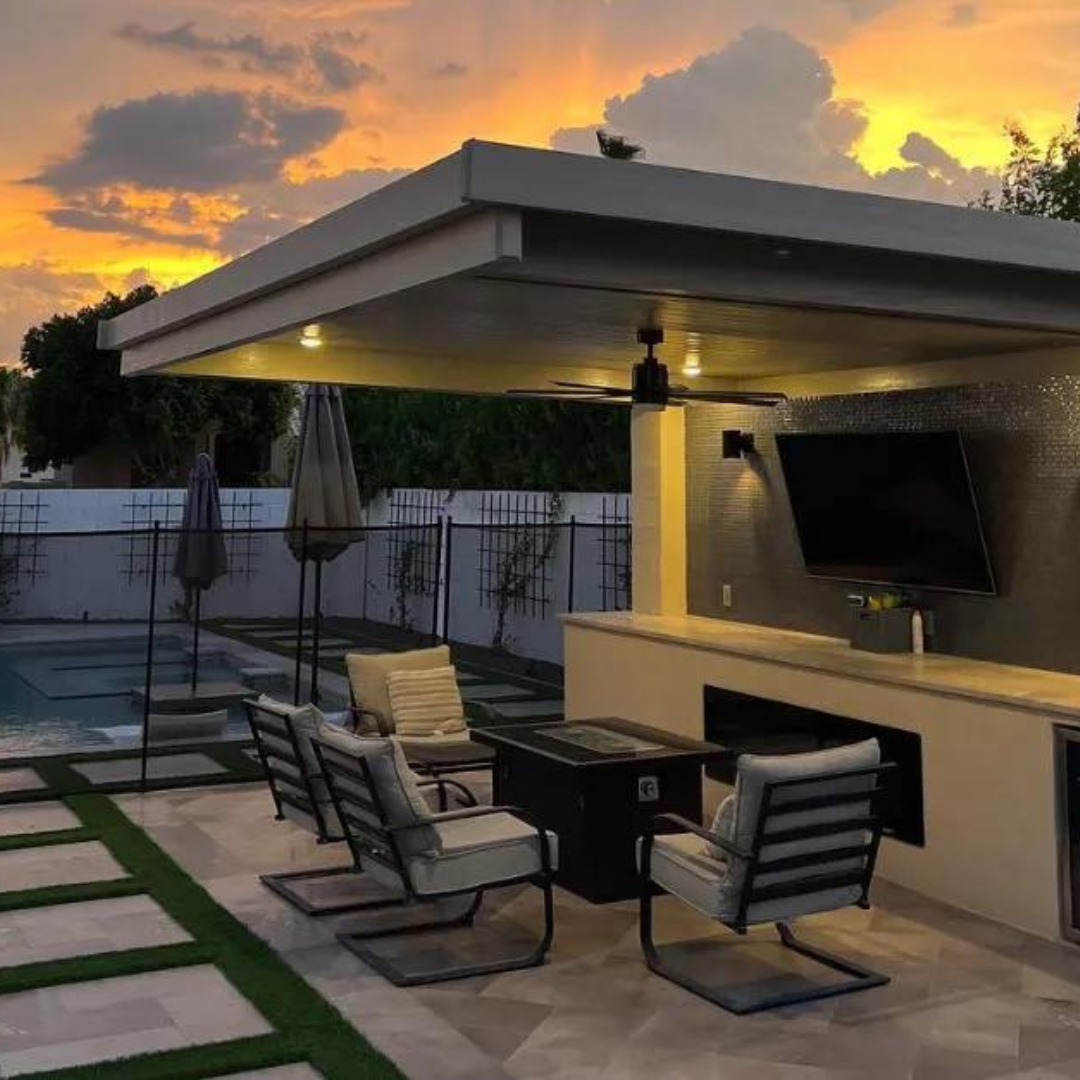
- Case Study: The”Pizza Garden” Patio: One originative homeowner collaborated with a landscaper to plan a full utility exterior kitchen and area surrounded by a”pizza garden.” Raised beds and strategically placed containers grow Roma tomatoes, basil, marjoram, onions, and peppers, all within arm’s strain of the wood-fired pizza pie oven. This unseamed desegregation of cooking function and landscape painting plan has become a simulate for entertainers.
Re-Wilding with a Purpose: Native Habitat Corridors
Another unusual but ontogenesis niche is the deliberate design of residential properties to do as corridors for local anesthetic wildlife. This”re-wilding” movement focuses on using particular native plants to pull in and support pollinators, birds, and other good defect creatures. Landscapers are now creating secure wildlife habitats in residential district backyards, selecting vegetation not just for aesthetics but for their role in the local anaesthetic .
- Case Study: The Pollinator Powerhouse: A retired pair on the edge of town transformed their uncreative, rock-covered lot into a secure Monarch Waystation and bee asylum. By planting over thirty species of native, nectar-rich flowers like genus Penstemon, defect marigold, and Sonchus oleraceus, they have referenced a 300 step-up in pollinator activity. Their yard is now a noisy, fluttering hub of life, contributive straight to regional efforts from their own prop.
The future of Queen Creek Landscaping is not about scrap the desert but embrace its unusual character. By prioritizing biology work, food product, and habitat world, these improper approaches are crafting outside spaces that are not only surprising and unusual but are also resilient, responsible, and profoundly wired to the Arizona landscape painting. The revolution is rooted, and it’s blooming in the most unexpected ways.
Modern Desert Landscapes
Email: [email protected]
Phone: (480) 577-9577
Address: 1073 W Lucky Ln, San Tan Valley, AZ 85142
