How to Check Online Quran Teacher Credentials?
Finding the right Quran teacher is one of the most crucial steps for anyone seeking to learn the Quran online. With the rise of online platforms, students now have access to teachers from around the world.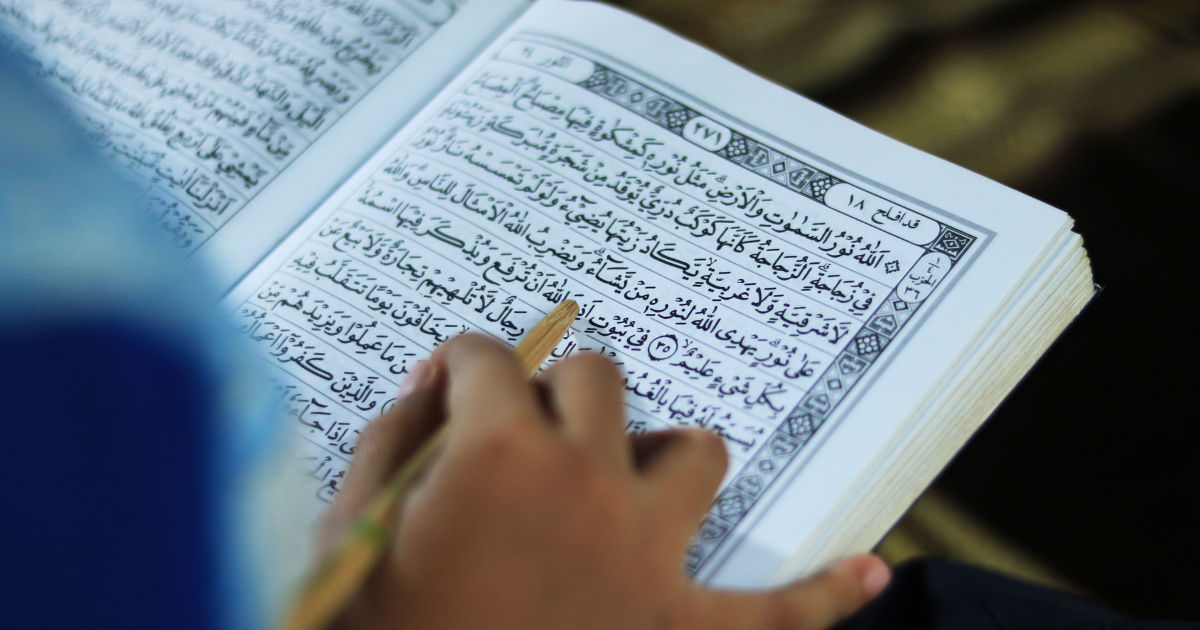
However, not all teachers are equally qualified, which is why understanding Online Quran teacher qualifications and how to verify them is essential. In this guide, we will walk you through a detailed process to ensure that your teacher has the right expertise, experience, and credibility.
Online Quran Teacher Qualifications
Before checking credentials, it is important to know what constitutes a qualified Quran teacher. Online Quran teacher qualifications generally include formal Islamic education, certifications in Quranic studies, teaching experience, and a strong grasp of Tajweed (rules of Quran recitation). A qualified teacher not only knows the Quran but also understands how to teach it effectively to students of all ages and backgrounds.
Some key components of online Quran teacher qualifications include:
-
Ijazah (Certification): This is a formal authorization that allows a teacher to teach the Quran. It is issued by recognized Islamic scholars and institutions.
-
Tajweed Mastery: The teacher must demonstrate a thorough understanding of the rules of Tajweed to ensure correct pronunciation and recitation.
-
Teaching Experience: Experience in teaching the Quran, particularly online, helps the teacher manage virtual classrooms effectively.
-
Character and Conduct: A teacher’s behavior, ethics, and respect for students are critical aspects of being qualified.
Understanding these components will help you evaluate teachers more critically.
Why Verifying Credentials Matters
Many parents and students underestimate the importance of verifying a Quran teacher’s credentials. Online learning removes geographical barriers, but it also opens doors for unverified individuals to offer teaching services. Ensuring the teacher is qualified guarantees:
-
Accurate and authentic Quranic learning.
-
Proper guidance in Tajweed and memorization.
-
A safe and trustworthy learning environment.
-
Long-term benefits for students, including spiritual growth and discipline.
Failing to verify credentials could lead to poor learning outcomes or exposure to inaccurate teachings, which may negatively affect a student’s progress.
Steps to Check Online Quran Teacher Credentials
1. Review Educational Background
Start by reviewing the teacher’s educational qualifications. Ask for:
-
Degrees or certifications in Islamic Studies or Quranic Education.
-
Institutions or scholars from whom the teacher received training.
-
Special courses in Tajweed or Hifz (memorization of the Quran).
A credible teacher should be willing to share details about their education and training.
2. Check for Ijazah Certification
The Ijazah is one of the most important indicators of a teacher’s authenticity. To verify:
-
Request a copy of the Ijazah certificate.
-
Check the issuing scholar or institution to ensure they are recognized in the Islamic community.
-
Confirm that the Ijazah covers the specific area of teaching, such as Quran recitation or memorization.
An Ijazah ensures that the teacher has been trained under an authentic chain of transmission, maintaining the traditional integrity of Quranic teaching.
3. Evaluate Teaching Experience
Experience matters as much as knowledge. A teacher may have excellent credentials but lack practical teaching skills. Consider:
-
Years of teaching experience.
-
Number of students taught online.
-
Testimonials from past students or parents.
Experienced teachers can handle different learning styles and provide personalized guidance, which is especially important for online learning.
4. Assess Tajweed Proficiency
Tajweed ensures correct pronunciation of the Quran. To check a teacher’s Tajweed proficiency:
-
Ask for a short recitation or demonstration.
-
Listen for accuracy in pronunciation, pauses, and intonation.
-
Check if the teacher can explain rules clearly.
Teachers with strong Tajweed skills will be able to correct students effectively, preventing errors from becoming habits.
5. Verify Online Presence and Reviews
In the digital age, online reviews and social proof can provide valuable insights. Look for:
-
Reviews on the platform where the teacher is listed.
-
Testimonials or references from other students.
-
Social media profiles or personal websites showcasing their teaching approach.
Consistent positive feedback is often a reliable indicator of competence and trustworthiness.
6. Confirm Teaching Methodology
Different students require different teaching styles. When checking credentials, also inquire about the teacher’s methodology:
-
Lesson plans and structure.
-
Use of online tools like Zoom, Google Classroom, or specialized Quran apps.
-
Ability to adapt lessons to student age, level, and learning speed.
A teacher’s approach to online learning is crucial for maintaining engagement and ensuring effective learning.
7. Ensure Safety and Ethics
Since online Quran teaching often involves children, safety is a priority. Credentials aren’t only about knowledge; they also reflect character. Ensure:
-
Background verification if possible.
-
Polite and respectful communication.
-
Clear boundaries and professional conduct.
Parents should feel confident that the teacher maintains a safe and nurturing learning environment.
8. Look for Continuous Learning
Qualified teachers keep updating their skills. Ask if the teacher participates in:
-
Workshops or advanced courses.
-
Online seminars or Quranic forums.
-
New teaching methods or technologies for online education.
Continuous learning reflects commitment and professionalism, important aspects of a credible teacher.
Red Flags to Watch Out For
While checking credentials, be aware of certain warning signs:
-
Lack of formal certification or unwillingness to share proof.
-
No Tajweed demonstration or poor recitation skills.
-
Negative reviews or absence of references.
-
Vague teaching methodology or no clear lesson plan.
-
Unprofessional communication or inappropriate behavior.
Avoiding these red flags will help you select a teacher who is both knowledgeable and trustworthy.
Questions to Ask Before Hiring
To ensure you select the best online Quran teacher, consider asking:
-
What formal qualifications do you hold in Quranic studies?
-
Do you have an Ijazah, and can you provide proof?
-
How many students have you taught online?
-
How do you ensure correct Tajweed and memorization?
-
Can you provide references or testimonials from previous students?
-
What teaching tools and methods do you use?
-
How do you handle different learning paces and styles?
Clear, confident answers to these questions usually indicate a teacher with genuine qualifications and professionalism.
Platforms to Find Verified Teachers
Many online platforms offer verified Quran teachers, which simplifies the selection process:
-
Dedicated Online Quran Academies: Many provide teacher profiles, credentials, and student reviews.
-
Islamic Institutes: Some institutes offer online classes with certified teachers.
-
Freelance Platforms: Some teachers operate independently but still provide verifiable credentials and testimonials.
Choosing a reputable platform increases the likelihood of finding a highly qualified teacher.
Benefits of Hiring a Qualified Teacher
A teacher with verified credentials offers multiple advantages:
-
Accurate learning with authentic sources.
-
Proper Tajweed and pronunciation guidance.
-
Structured and effective lesson plans.
-
Safe learning environment for children.
-
Motivation and encouragement for long-term Quranic study.
Investing time in verifying credentials ensures a productive and spiritually enriching learning experience.
Maintaining Regular Checks
Even after hiring, it is beneficial to monitor progress periodically:
-
Review lesson recordings if available.
-
Seek feedback from the student about the teaching experience.
-
Ensure that the teacher maintains professionalism and quality.
Continuous monitoring helps maintain high standards and ensures that the learning objectives are being met.
Conclusion
Finding a qualified Quran teacher online requires careful research and verification. Understanding Online Quran teacher qualifications, including education, certifications, experience, and teaching style, is essential for making an informed choice. By checking Ijazah certificates, Tajweed skills, teaching methodology, and student reviews, you can ensure that your chosen teacher is both credible and effective. Avoiding red flags and asking the right questions further protects the quality of your Quranic education.
Ultimately, investing the time to verify credentials guarantees a safe, authentic, and enriching learning experience. A qualified teacher not only improves your Quranic knowledge but also nurtures spiritual growth, proper recitation, and a lifelong connection with the Quran. Whether you are learning for memorization, recitation, or general understanding, prioritizing teacher qualifications will ensure your efforts are guided by knowledge, expertise, and authenticity.
Choosing the right teacher may take effort, but the rewards — accurate learning, strong Tajweed, and spiritual fulfillment — are invaluable. By following the steps outlined in this guide, students and parents can confidently select the best online Quran teacher and embark on a journey of effective and enriching Quranic education.
