Exploring the Psychology Behind Slot Machine Addiction
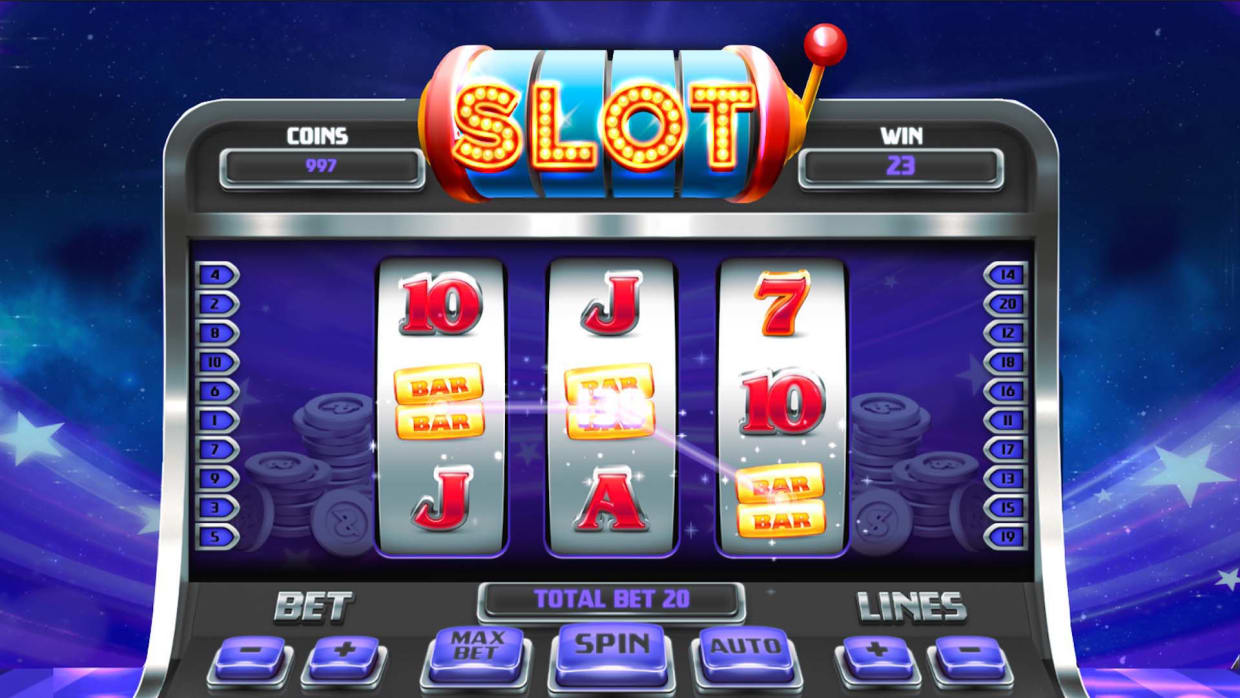
Slot machines are often seen as a fun and exciting way to pass the time, offering the potential for big wins and endless entertainment. However, for some individuals, the allure of spinning the reels can quickly become an addiction. Slot machine addiction, like other forms of gambling addiction, can have devastating consequences, affecting an individual's mental, emotional, and financial well-being. Understanding the psychology behind why slot machines can become addictive is crucial for both players and those seeking to prevent or address gambling issues.
In this article, we will delve into the psychological factors that contribute to slot machine addiction, examine the role of design in encouraging excessive play, and discuss strategies for preventing or managing this addiction.
1. The Reward System: Why We Keep Spinning
One of the primary reasons slot machines are so addictive lies in the way they tap into the brain’s reward system. This system is responsible for the release of dopamine, the “feel-good” neurotransmitter associated with pleasure and motivation. Every time a player wins—even with small amounts—dopamine is released, slot reinforcing the behavior and encouraging them to keep playing.
Slot machines are designed to trigger this reward system frequently. The near-miss effect, in which a player comes close to winning but doesn’t quite hit the jackpot, is particularly powerful. Even though a near-miss is not a win, the brain interprets it as a potential victory, leading to the release of dopamine. This reinforces the belief that the next spin might be the big one, creating a cycle of continuous play.
Research has shown that the brain responds to near-misses in a similar way to actual wins, which explains why players are often so motivated to keep playing even when they’re losing. This constant cycle of brief successes, even if they’re only psychological, can create an overwhelming desire to continue playing, increasing the risk of addiction.
2. The Role of Randomness and Variable Reinforcement
Another key psychological factor in slot machine addiction is the principle of variable reinforcement, which is the foundation of how most modern slots are programmed. Unlike traditional reward systems that offer a fixed payout for certain actions (like pulling a lever), slot machines use a random number generator (RNG) to determine the outcome of each spin. This randomness creates uncertainty about when a win will occur, which in turn enhances the game's addictive potential.
In psychology, variable reinforcement refers to the process where rewards are given at unpredictable intervals. This method is especially effective in maintaining and strengthening behavior because players don’t know when the next win is coming, which keeps them engaged. The uncertainty of when a payout will occur makes players more likely to continue playing, in the hope that the next spin will be the big one.
The unpredictability of the outcome adds an element of suspense, further enhancing the excitement of the game. This randomness creates a type of "gambling thrill" that is difficult to resist, even if the player is losing money in the long run.
3. Slot Design: Lights, Sounds, and Sensory Overload
Modern slot machines are designed to be sensory experiences. Bright lights, flashing screens, and exciting sound effects are all strategically placed to enhance the player's emotional engagement with the game. The flashing lights and celebratory music associated with a win or near-win are specifically designed to trigger positive emotions, even if the player’s overall experience is one of loss.
This sensory stimulation is part of a larger strategy that casinos use to encourage players to keep playing. In fact, the sounds and lights are designed to increase the intensity of the experience, making it more immersive and rewarding. The brain starts to associate these cues with the release of dopamine, which can lead to an increased desire to continue playing, even when the player knows, on a conscious level, that they are not winning.
Some slot machines even have features like autoplay or rapid spin modes that increase the speed of play, creating a more intense experience that can heighten the sense of urgency and anticipation, making it even harder for players to stop.
4. The Illusion of Control and Overconfidence
Another psychological factor at play in slot machine addiction is the illusion of control. Many players believe they have some level of control over the outcome, even though the results are entirely random. This illusion is reinforced by certain features, such as the ability to choose how much to bet, which reel to spin, or when to use autoplay. These decisions, while seemingly giving players control over their experience, do not actually influence the outcome of the game.
For some players, this illusion of control can be powerful. When they experience a win after making a particular decision, they may believe that they had some role in that success. This sense of overconfidence can lead players to increase their bets or continue playing in an attempt to replicate that perceived success. In reality, however, the odds of winning remain the same, regardless of the player’s decisions.
The illusion of control combined with overconfidence can result in a dangerous cycle, where players continue to gamble, thinking they are on the verge of mastering the game or “getting lucky.” This mindset makes it easier for individuals to justify excessive or reckless behavior, contributing to the development of gambling addiction.
5. Escape from Reality: Emotional and Psychological Factors
For some individuals, the attraction of slot machines goes beyond the potential for financial gain. Slot machines can offer a form of escapism—a way to forget about personal problems, stress, or emotional distress. The immersive nature of slot games, with their bright lights, sounds, and engaging mechanics, can provide players with a temporary respite from their worries.
In these cases, gambling may become a coping mechanism for individuals who are struggling with anxiety, depression, or other emotional issues. The act of spinning the reels and focusing on the game provides a distraction, allowing players to escape their real-life concerns. However, this form of escapism can quickly spiral into addiction, as the player becomes reliant on the emotional high provided by the game to cope with negative feelings.
As the cycle of gambling continues, the player may increasingly use slots as a way to manage their emotions, which can exacerbate the addiction. The more an individual uses gambling to avoid emotional discomfort, the harder it becomes to break the cycle.
6. The Impact of Cognitive Biases
Cognitive biases are mental shortcuts or patterns of thinking that can lead to irrational or flawed decision-making. In the context of slot machine addiction, several cognitive biases are particularly relevant:
- Gambler’s Fallacy: This is the belief that past outcomes influence future events, even in random scenarios. For example, a player might believe that if they’ve lost several times in a row, they are “due” for a win, even though each spin is independent of the last.
- Confirmation Bias: Players may focus only on the wins or near-wins they experience, ignoring the many times they lose. This selective attention reinforces the idea that the game is more winnable than it actually is, leading them to keep playing.
- Loss Aversion: This is the tendency to fear losses more than we value gains. After losing money, a player may continue to gamble in an attempt to recover their losses, even though the odds are against them.
These biases contribute to the distorted thinking that fuels slot machine addiction, making it harder for individuals to recognize the negative impact gambling is having on their lives.
7. Preventing and Addressing Slot Machine Addiction
While the psychology behind slot machine addiction is complex, there are several strategies that can help individuals recognize and combat this issue:
- Setting Limits: One of the most effective ways to avoid addiction is by setting strict time and monetary limits before playing. Players should decide in advance how much money and time they are willing to spend and stick to these limits.
- Self-Exclusion Programs: Many casinos and online gambling platforms offer self-exclusion programs, where players can voluntarily ban themselves from gambling for a set period. These programs can help break the cycle of addiction.
- Seeking Support: Just like any other addiction, slot machine addiction can benefit from professional treatment, including therapy, counseling, and support groups. Cognitive-behavioral therapy (CBT) has been particularly effective in helping individuals address the thought patterns that contribute to gambling addiction.
- Mindful Awareness: Becoming aware of the emotional and psychological triggers that lead to gambling can help individuals make more informed decisions. Engaging in mindfulness practices can also help reduce the urge to gamble as a way of escaping stress or emotional discomfort.
Conclusion
Slot machine addiction is a complex psychological issue fueled by a combination of brain chemistry, game design, and cognitive biases. While slot machines are designed to be entertaining, they can also tap into deeper psychological needs and vulnerabilities, making it easy for some individuals to develop an unhealthy relationship with gambling. Understanding the psychological factors at play can help both players and caregivers recognize the warning signs of addiction and take proactive steps to manage or prevent it. By setting boundaries, seeking support, and cultivating mindful awareness, individuals can enjoy slot games responsibly and avoid falling into the trap of addiction.
